

SMT Solving, A Very Short Introduction __ Philipp Rümmer

November 24, 2020
Active Learning of Decomposable Systems

Talk Active Learning of Decomposable Systems November 11, 2020 (21 Aban, 1399) Venue This Talk is online events@teias.institute +982189174612 Jan Friso Groote Professor of Computer Science at the Eindhoven University of Technology Overview Active automata learning is a technique of querying black box systems and modelling their behavior. In this paper, we aim to apply…
Actual Causality and Counter-Factual Reasoning
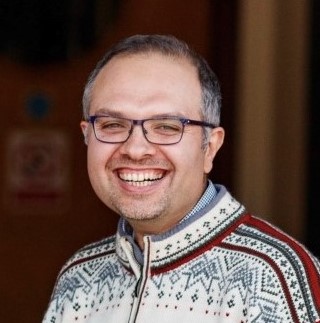
Talk Actual Causality and Counter-Factual Reasoning November 10, 2020 (20 Aban, 1399) Venue This Talk is online events@teias.institute +982189174612 Mohammad Reza Mousavi Professor of Data-Oriented Software Engineering at the University of Leicester Overview Explaining phenomena, particularly failures, using counterfactual causal reasoning has been a challenging line of research in science and engineering. An instance of…
A Myhill-Nerode Theorem for Register Automata and Symbolic Trace Languages

Talk A Myhill-Nerode Theorem for Register Automata and Symbolic Trace Languages October 14, 2020(23 Mehr, 1399) Venue This Talk is online events@teias.institute +982189174612 Frits Vaandrager Professor of Informatics for Technical Applications, Radboud University, Netherlands Overview We propose a new symbolic trace semantics for register automata (extended finite state machines) which records both the sequence of…
Convergence and Equilibrium in Generative Adversarial Networks
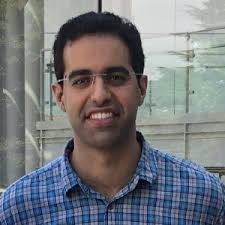
Talk Convergence and Equilibrium in Generative Adversarial Networks September 13, 2020(23 Shahrivar, 1399) Venue This Talk is online events@teias.institute +982189174612 Dr. Farzan Farnia Postdoctoral Research Associate at the Massachusetts Institute of Technology (MIT) Overview Generative adversarial networks (GANs) represent a zero-sum game between two machine players, a generator and a discriminator, designed to learn the…
Research Methods in Networks and Systems
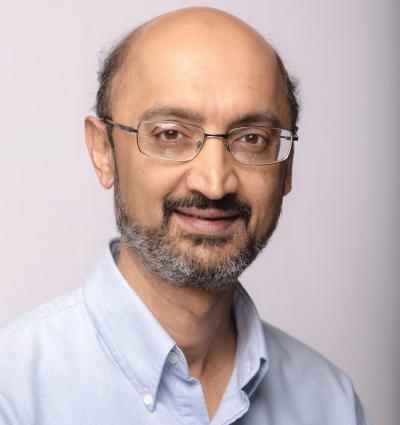
Talk Research Methods in Networks and Systems September 09, 2020(19 Shahrivar, 1399) Venue This Talk is online events@teias.institute +982189174612 Srinivasan Keshav Robert Sansom Professor of Computer Science at the University of Cambridge Overview In this talk, I review the basic principles for performing and disseminating great research. I start with some hints on the…
TeIAS Introduces its Special Master’s Program in Data Science
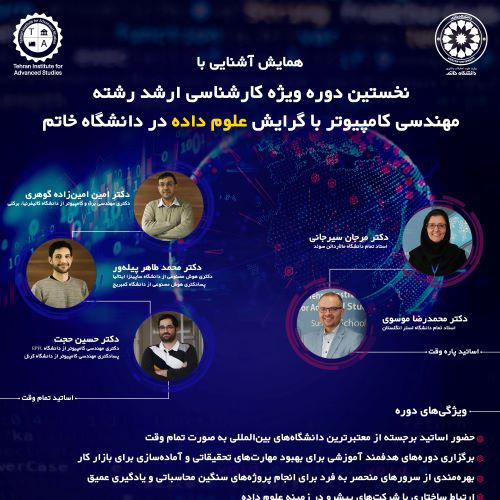
Announcement TeIAS Introduces its Special Master’s Program in Data Science Add to Google Calendar Announcement TeIAS Introduces Its Special Master’s Program in Data Science Overview After gaining acceptable results in holding a Special MSc Program in Economics, in line with its policy and vision for continuous growth and development, TeIAS has been planning to add…
Active and Multitask Learning Approaches to Low-Resource Neural Machine Translation
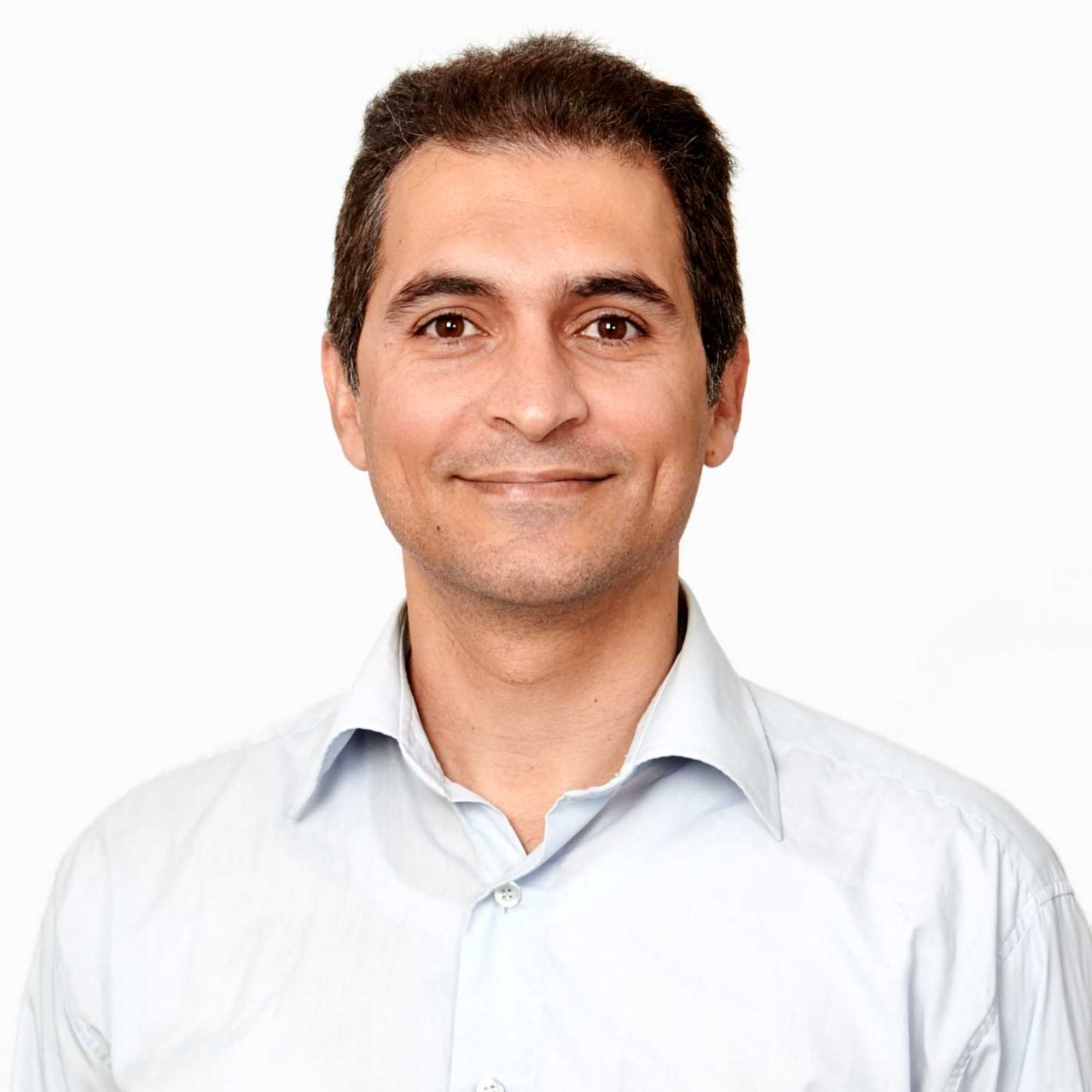
Talk Active and Multitask Learning Approaches to Low-Resource Neural Machine Translation September 2, 2020(12 Shahrivar, 1399) Venue This Talk is online events@teias.institute +982189174612 Dr. Gholam Reza Haffari Associate Professor in Department of Data Science & AI of Monash University Overview Machine translation is being revolutionized by the introduction of neural models. However, it is challenging…
Budgeted Experiment Design for Causal Structure Learning
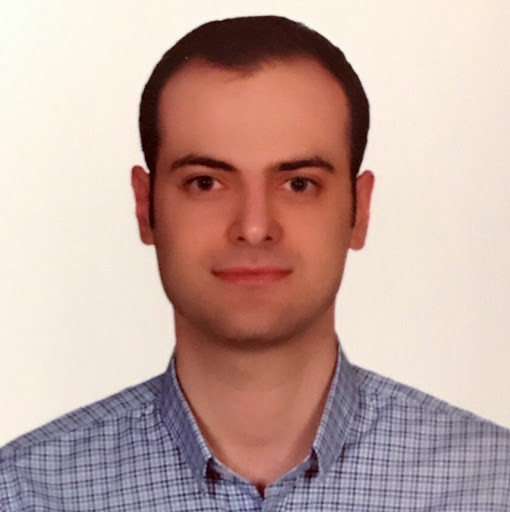
Talk Budgeted Experiment Design for Causal Structure Learning August 19, 2020(29 Mordad, 1399) Venue This Talk is online events@teias.institute +982189174612 Dr. Saber Salehkaleybar Assistant Professor of Electrical Engineering at Sharif University of Technology Overview The first part of the talk starts with an introduction to causal inference. We introduce the principle of invariant mechanisms as…
Connection Between Collective Coin Tossing and Robust Learning

Talk Connection Between Collective Coin Tossing and Robust Learning August 12, 2020 (22 Mordad, 1399) Venue This Talk is online events@teias.institute +982189174612 Dr. Mohammad Mahmoody Associate Professor at University of Virginia Overview Classical learning algorithms are designed for benign settings in which normally generated samples are used for learning a model which is later tested…